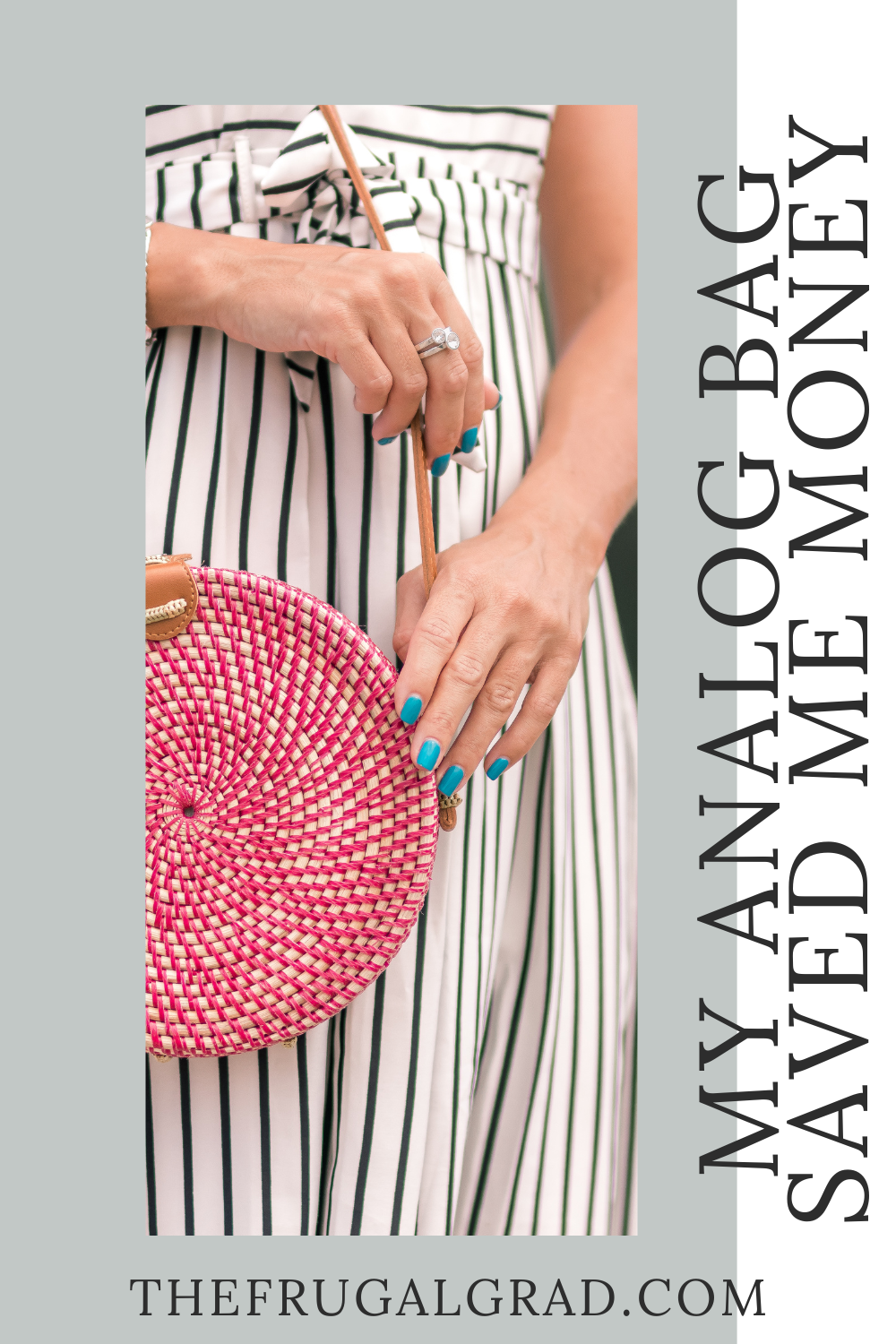
Since the start of the year, I have been trying to wean myself off social media and also put my spending under control. So i thought of some analog habits to pick up that I could engage in to fill my time. When I first heard about the analog bag trend, I thought: “Cute bag, but how does it help me?”
Little did I know, curating my bag would completely change how I spend money, and help me stop buying unnecessary stuff I didn’t even need.
Here’s how this simple, minimalist habit saved me hundreds and made my student life way easier. Check out What’s in My Analog Bag (The Gen Z Habit That Fixed My Focus) to fully see how it all started.
What is an Analog Bag?
An analog bag is a curated, minimal, functional bag that holds only what you truly need.
Bonus: Includes a classic tote or backpack filled with essentials. You may check out this Trader Joes Large Tote Shopping Bag or use what you have already.
It’s a combination of minimalism + style.
For students, it’s a perfect tool to stay organized and intentional, avoid overspending because it saves you from spending on “just because.”
The analog bag may also be used to organize non-digital items for your hobbies, which minimizes your need to use your phone and spend hours online.
How I Curated My Analog Bag
I started by listing what I actually need daily:
- Wallet, keys, student ID
- Notebook and pens
- Water bottle
- Snacks
- Phone and charger
- A book I am currently reading
Then I removed everything extra:
- Extra pens, random notebooks, expired coupons
- Trendy gadgets I never used
- “Just in case” items
This allows me to carry everything in one compact bag, and I stopped buying duplicates or unnecessary items!
How This Saved Me Money
An analog bag helps students save money by replacing impulse purchases with pre-packed essentials. Here’s what happened after I committed to my analog bag:
I stopped buying duplicate items such as notebooks, planners and pens (Saved ~ $15-$20)
Because I have all my essentials in one place, this helps me stay organized during shopping and avoid buying pens I already have or another planner that would be unnecessary. After calculating a potential cost of extra stationeries like pens and planners, I realised I just saved about $20.
Buying tote bags or backpacks for “style” only (Saved ~ $50-$100)
It is almost spring! As the weather warms up, I always look forward to carrying my cute tote bags. I have many tote bags in the house, just collecting dust. Therefore, using the bags I already have to organize essential items has saved me a lot by not buying another bag and allowed me to make productive use of them.
Minimized my impulse tech accessories (Saved ~$30-$50)
The size of the analog bag is a great hack for curbing what I buy and eventually pack in it. This has saved me a couple of dollars that can otherwise be spent in unncessary gadgets for the next convenience I can do without.

Piqued my interest in crafts (Saved ~$50 – $100)
I have a separate analog bag to hold my craft supplies. Most especially, since I picked up knitting and crocheting as my hobbies, I am able to organize my colorful yarns and pins in the bag. Sometimes, I carry my analog bag for craft to continue knitting on the go. I have mostly been able to knit hats, and I started a new project on fluffy blankets. I did not buy any hats or beanies for my family this winter, which saved me money.
Minimalist mindset and less weight (no price tag)
Since curating my analog bag, I am able to pack only the essentials that fit in the bag on a trip. This allows me to pack lightly and avoid cluttering. Carrying clutter or excess baggage may add to mental stress. So, it is a way to calm my mind by having everything in one place. Also, since I am trying to reduce the time I spend scrolling on social media and my phone, I am able to pack my book with me. This habit helps me read more and saves me from impulse purchases on the TikTok Shop. Overall, the calm and peaceful vibe cannot be quantified.
Thinking of starting yours? My Tips for Starting Your Own Analog Bag
Summary
- Use what you already have. What is the point of money-saving tips, if I nudge you to spend more?
- You likely have a tote bag already in the house; put it to good use.
- Audit what’s in your bag right now
- Pull everything out and ask: Do I use this daily?
- Limit to essentials
- Only items that serve a purpose or bring joy
- One item in, one item out
- If you want to add something new, remove something else first. This is one of the minimalist mantras I swear by
- Choose durable, multi-purpose items
- Reusable water bottles, notebooks that can be refilled, versatile bags
- Document your savings
- Track how much you save by avoiding extras, seeing numbers reinforces the habit. You will be surprised! I hope this helps.
To find other posts by the thefrugalgrad start here: 10 Things I Stopped Buying That Saved Me $3,000 as a Student, or you may even check out Budgeting ideas for the new school year for frugal students.